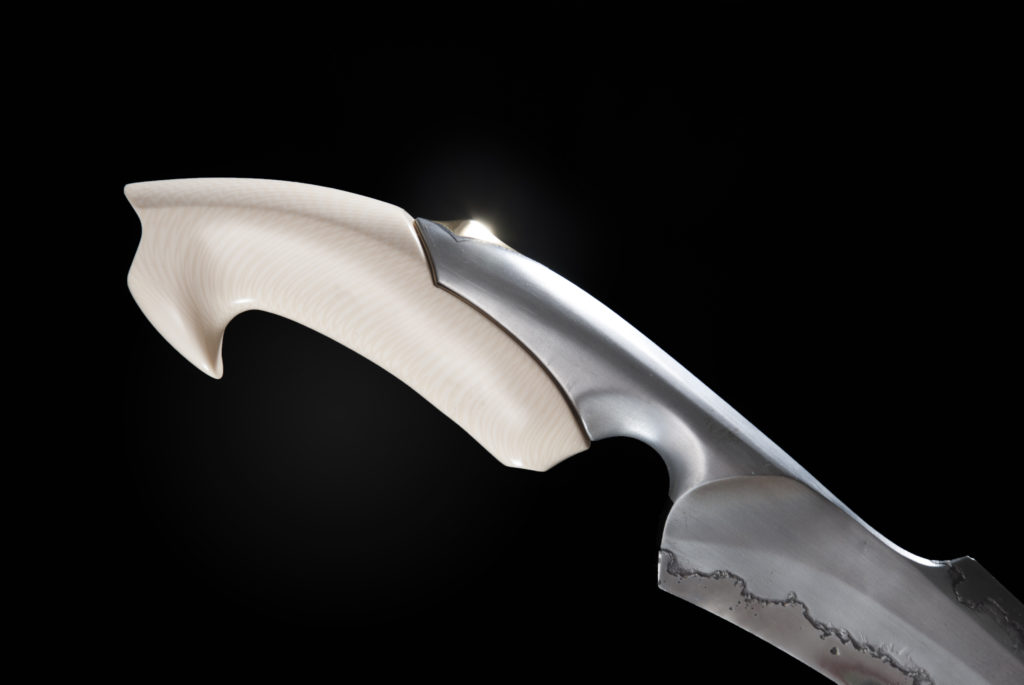
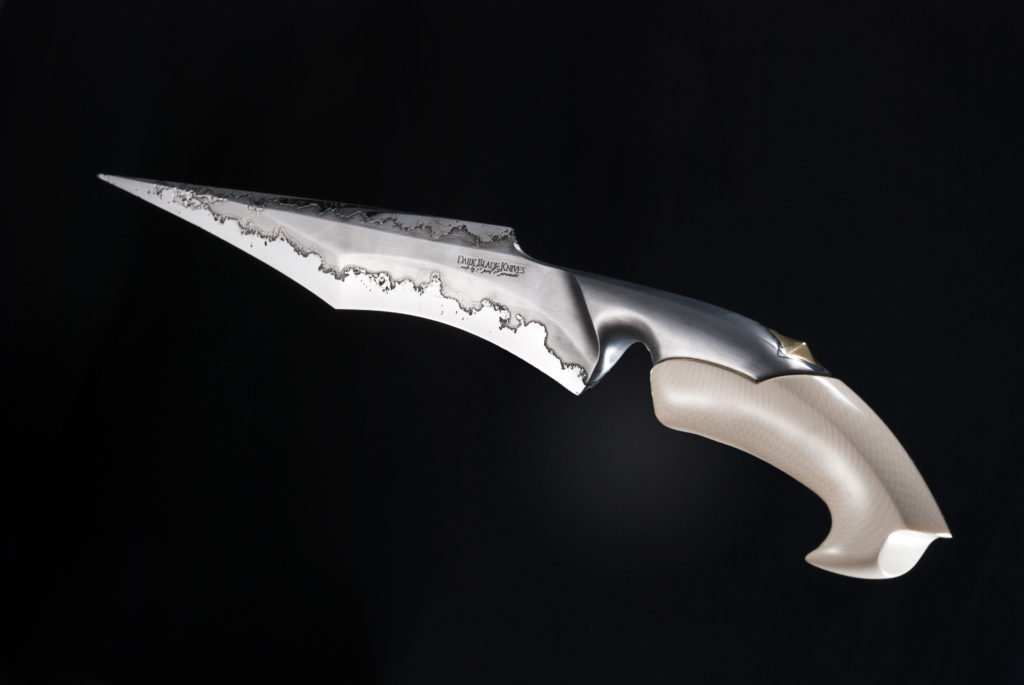
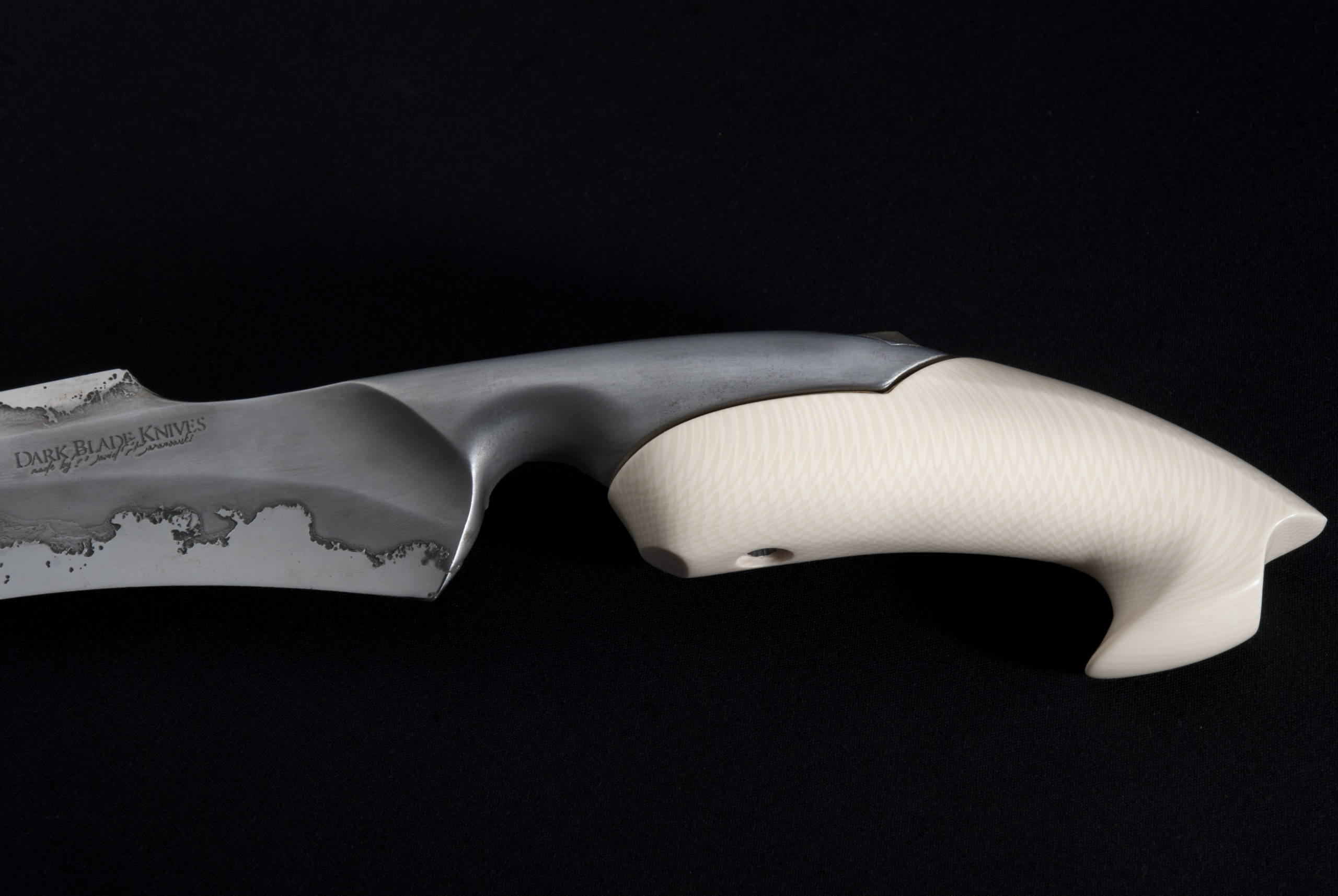
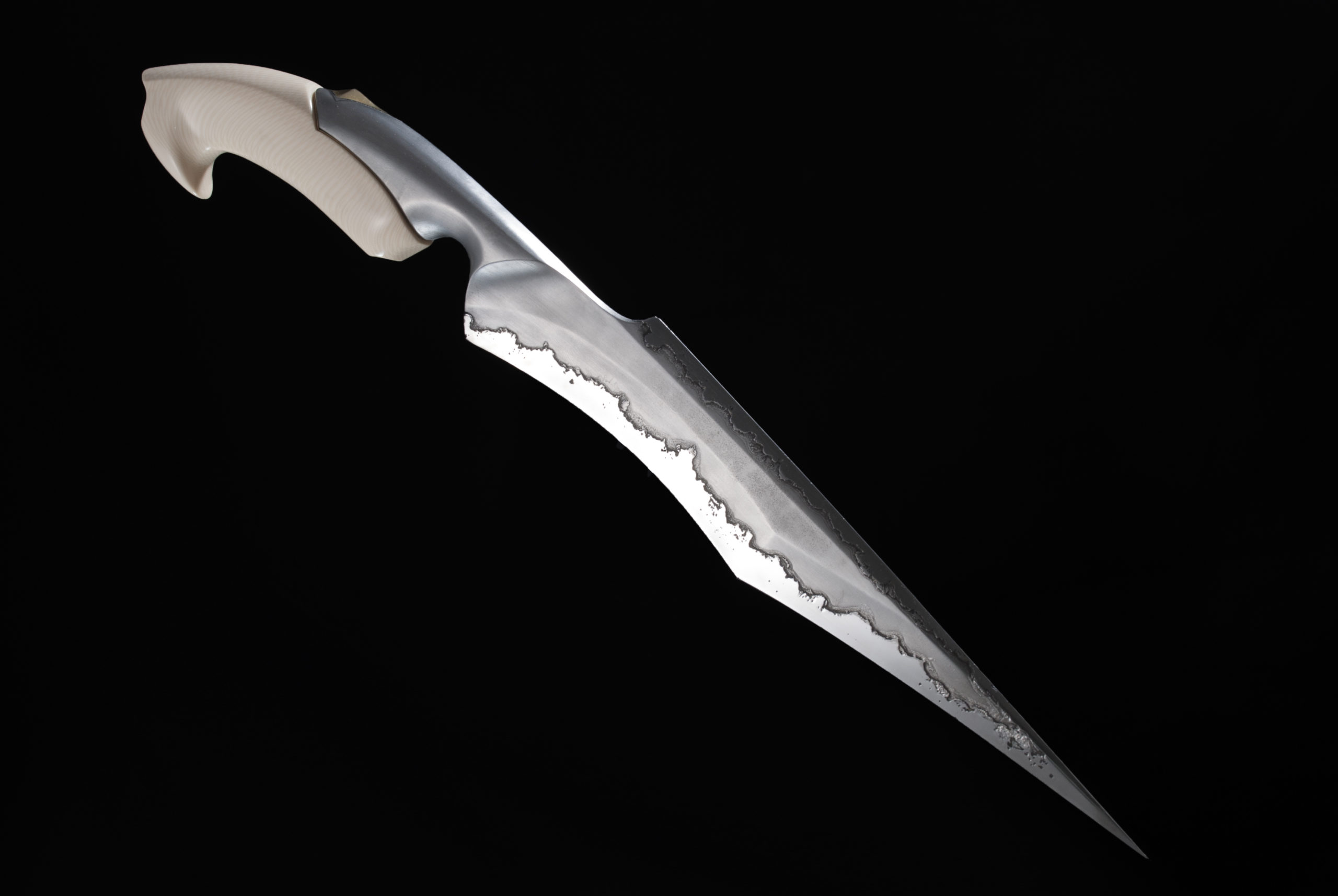
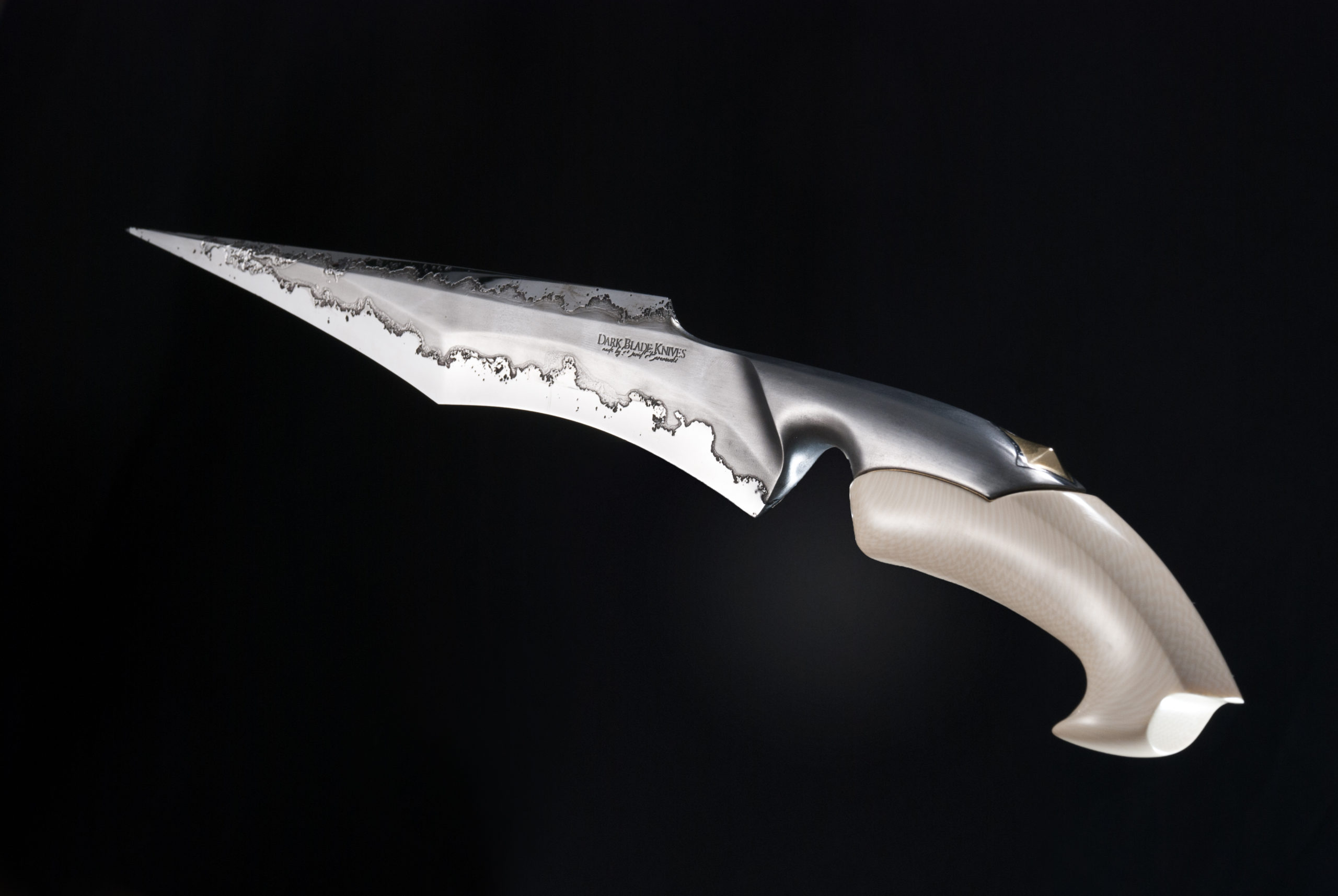
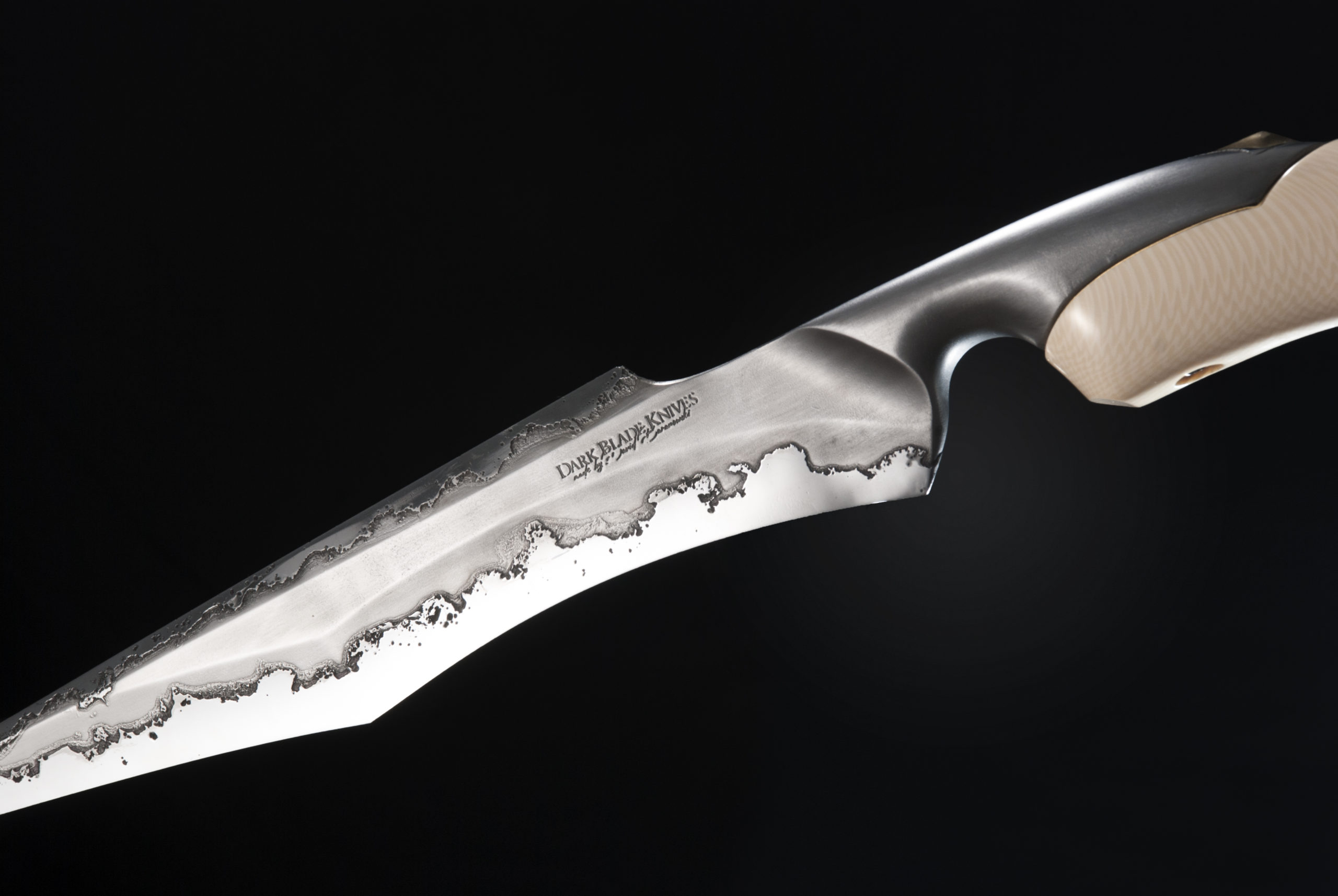
There is something inherently unsettling in concave, hollow shapes. Our perception absorbs convex forms — especially those resembling the shape of a raindrop — far more naturally. They feel complete, organic, and familiar. Hollow lines, by contrast, are often interpreted as aggressive, negative, or perhaps more accurately: empty.
Hyperion stands as an exploration of the visible coexistence between these opposing forces — the hollow and the convex. The tension between the highly reflective steel edge and the soft, textured core creates a composition that feels dramatic, yet remains balanced, coherent, and spiritually grounded.
Hyperion was born from a simple idea: to unite two extremes into a single consistent form. It is an experiment in contrast — between texture and smoothness, light and shadow, tension and harmony. Through this balance, the piece becomes more than an object; it becomes a study of perception itself.